Zerihun Tadele, University of Bern, Switzerland
Feedback from the First AAS symposium
held on October 24, 2014 at EIAR HQ, Addis Ababa, Ethiopia
‘… We got chances to hear from internationally recognized professors like Prof. Gebisa and others.….’. Belay Berza, Debre Markos University
‘… It was very wonderful seminar by such collection of scientists. Keep it up for future as well.’ Abreham Bekele, Gondor University
Speakers of the First AAS symposium
Prof. Gebisa Ejeta, Purdue University, USA R4D: Mantra or Practice?
Prof. Tesfaye Mengiste, Purdue University, USA Application of translational research for crop improvement
Dr. Yilma Kebede, Bill & Melinda Gates Foundation, USA Lessons learned from a career in research and development
Dr. Melaku Gedil, IITA Contributions of IARCs to research & development of NARS
Dr. Zerihun Tadele, University of Bern, Switzerland Tef research
Panel discussion at the First AAS Symposium
Moderator: Dr. Brhane Gebrekidan
Panelists: Prof. Gebisa Ejeta, Prof. Tesfaye Mengiste, Dr. Yilma Kebede, Dr. Melaku Gedil and Dr. Zerihun Tadele
General discussion Chairperson: Dr. Adugna Wakjira, D/ Director General of EIAR
Both symposia preceded by other key events
The First AAS symposium: preceded by 2-week training for Ethiopian crop researchers. Thirty researchers from 30 centers
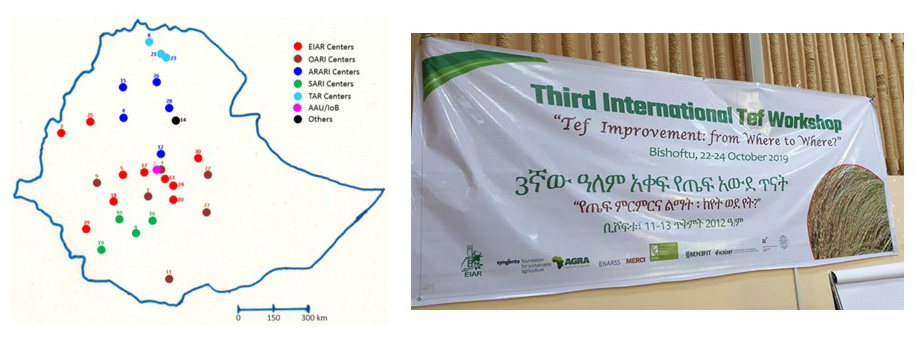
The Second AAS symposium: preceded by the International Tef Workshop, 22-24 October 2019 at Bishoftu, Ethiopia
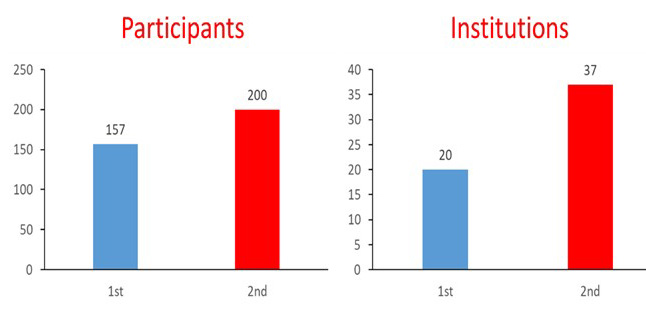
Comparison between the first and second symposia
Objectives of AAS symposia
- Learn modern agricultural techniques
- Discuss their applications to the Ethiopian system
- Networking with fellow scientists
My worries
- Food & nutrition insecurity
- Low productivity of our crops
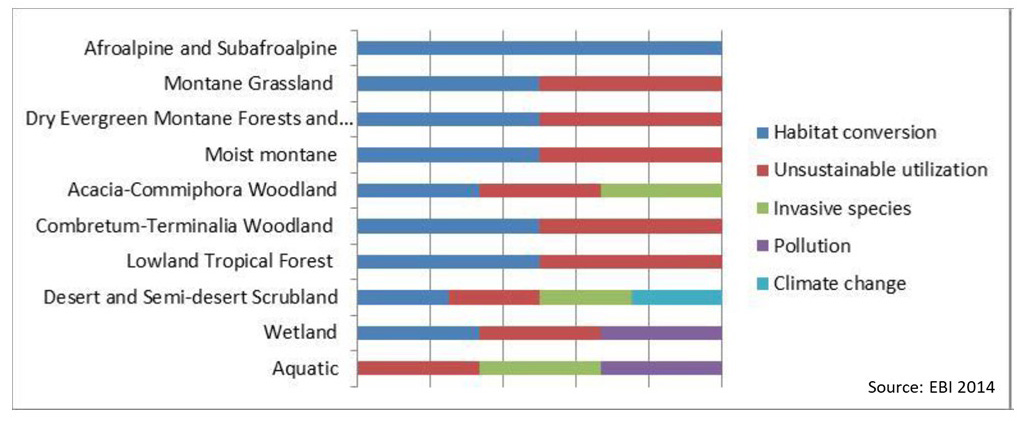
- Diverse & extensive environmental challenges
- Loss of biodiversity
- Our germplasm is not conserved at the global level (e.g. at Svalbard Seed Vault)
- We have not harnessed the benefits of advanced technologies (e.g. biotechnology)
- Partnership with national & international institutions need to be strengthened
Food security
- The increase in population and increase in food production are not proportional.
- Boosting the productivity of our crops and livestock is necessary.

Yield Potential & gap
- To increase productivity per unit area
- To narrow the yield gap

Environmental challenges
biotic, abiotic and enabling environment
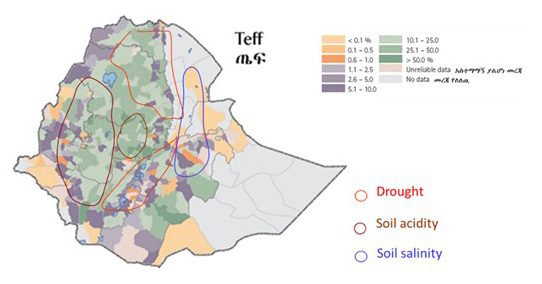
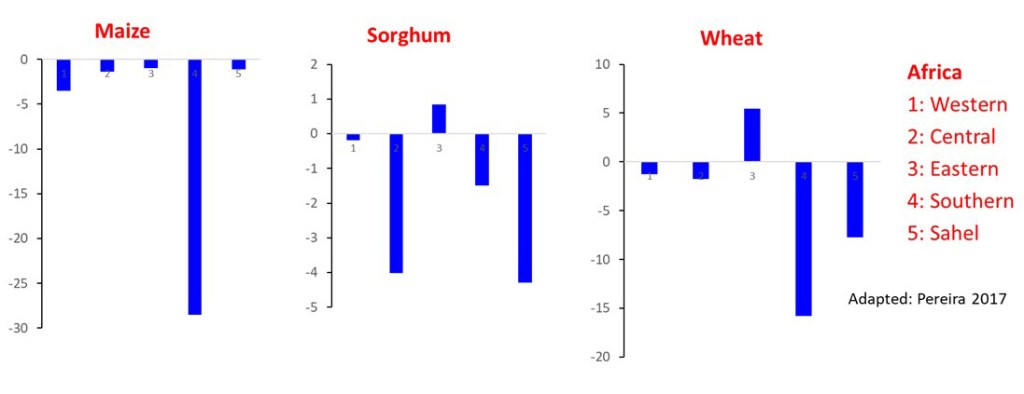
Challenges: climate change (2030)
Biodiversity of Ethiopia: status & trends
Germplasm conservation
- Goal: to avoid incremental and catastrophical loss of crop diversity around the world
- Location: 78°N, 15°E, Norway
- Distance: 1000 km from N-pole
- Storage Temp.: -18 °C (ensure low metabolic activity; viable for thousands of years)

Why Svalbard seed vault?
- Permafrost: natural freezing (120 m into the rock)
- Remote: security from human-related dangers
- Safe from military activity: Military activity is prohibited at Svalbard
- Stable political situation
- Geologically stable with low radiation level
Technology
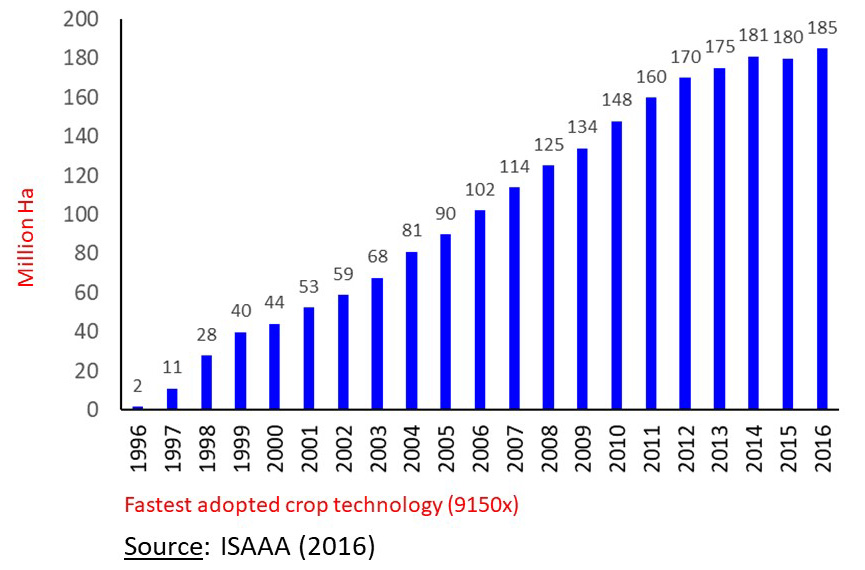
We have not yet harnessed the benefits of agricultural technologies. For example, biotechnology.
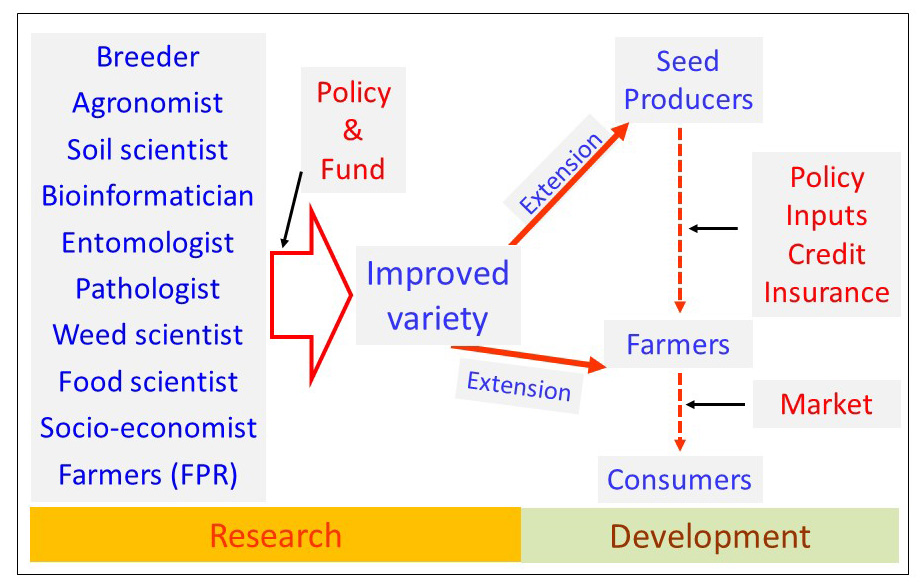
Work in value-chain approach
Second AAS Symposium: October 25, 2019
Plenary
Climate Change &Technologies
- Prof. Sebsebe Demissew, Addis Ababa University
- Dr. Tadele Tefera, ICIPE, Addis Ababa
- Dr. Girma Tabor, Corteva, USA
- Dr. Naomi Nakayama, University of Edinburgh, UK
Future of Genetics & Breeding
- Prof. Yehoshua Saranga, Hebrew University of Jerusalem
- Dr. Takayoshi Ishii, Tottori University, Japan
- Prof. John Mackay, Colorado State University, USA
Opening
Dr. Brhane Gebrekidan, Independent consultant
Discussion & closing
Dr. Mandefro Nigussie, Director General, EIAR
Future AAS symposia: plan
- Topic: all sectors of agricultural research & development
- Frequency: annual
- 2-days
symposium (
- 1st day: Plant, natural resources
- 2nd day: Animal, economics
- 3rd week of October (Thursday & Friday)
- Dedicated website
- Networking agricultural community
Acknowledgments
- Participants
- Speakers
- Panel discussion: moderators, panelists
- Opening
- General discussion and closing
- Sponsor: EIAR
 Advances in Agricultural Science Forum of Ethiopia (AASFE)